
By Joseph Bryson May 16, 2025
Mobile Wallet Payments The landscape of modern commerce is undergoing a seismic shift as physical currency and plastic cards gradually give way to digital alternatives. For business owners today, the transition toward a cashless society is no longer a distant possibility but a present reality. Understanding the mechanics and advantages of Mobile Wallet Payments is essential for any merchant who wishes to remain competitive in an increasingly digital marketplace. This evolution is driven by the consumer’s desire for speed, security, and convenience, all of which are encapsulated in the tiny devices we carry in our pockets.
The history of commerce has always been defined by the search for more efficient ways to exchange value. From bartering and gold coins to paper money and magnetic stripe cards, each leap forward has reduced friction in the economy. Today, we find ourselves at the pinnacle of this journey. The adoption of Mobile Wallet Payments represents a fundamental change in how the average person interacts with a brand. It is a bridge between the physical and digital worlds, allowing for a level of integration that was previously unimaginable for small and large retailers alike.
As a merchant, the decision to modernize your payment infrastructure is about more than just staying current with technology. It is about catering to a new generation of shoppers who prioritize a frictionless experience above all else. When a customer walks into a store, their expectations are shaped by their experiences online. They want the same speed and ease of use in person that they get when clicking a “buy now” button on a website. By integrating Mobile Wallet Payments into your daily operations, you are signaling to your customers that you value their time and security.
The Evolution of Digital Transactions in Modern Retail
To fully grasp the importance of this shift, one must look at how quickly consumer habits have changed over the last decade. A few years ago, many people were hesitant to store their financial information on their mobile devices. However, the development of robust encryption and biometric authentication has turned that hesitation into confidence. Today, Mobile Wallet Payments are seen as one of the safest ways to conduct a transaction, often surpassing the security measures found in traditional credit cards.
This change is not limited to a specific demographic. While younger generations were the first to adopt the technology, older consumers are increasingly finding that using a phone to pay is simpler than fumbling with a physical wallet. For a merchant, this means that the target audience for Mobile Wallet Payments is expanding every day. If your business is not equipped to handle these transactions, you risk alienating a significant portion of your potential customer base who may choose a competitor simply because the checkout process is easier.
Furthermore, the global pandemic accelerated the need for touchless interactions. Consumers became hyper-aware of surface hygiene, leading to a massive surge in the demand for contactless options. Even as health concerns have evolved, the habit of using Mobile Wallet Payments has remained. Once customers experience the convenience of tapping a phone or watch to complete a purchase, they rarely want to go back to swiping or inserting cards.
Understanding the Technical Infrastructure of Contactless Systems
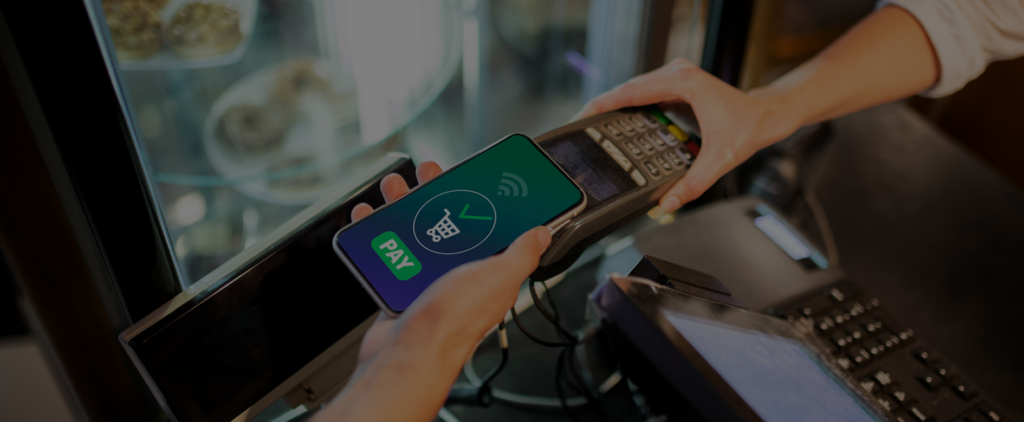
At the heart of this technology is a protocol known as Near-field communication, which allows two devices to communicate when they are in close proximity. This technology is what enables the high-speed data transfer required to complete a transaction in seconds. For merchants, this means that your point-of-sale system must be equipped with an NFC reader. Most modern terminals now come with this capability pre-installed, making it easier than ever to start accepting Mobile Wallet Payments without a complete overhaul of your existing hardware.
When a customer initiates a payment, the mobile device and the terminal exchange encrypted data. Unlike traditional card transactions where the actual card number is transmitted, digital wallets use a process called tokenization. This replaces sensitive data with a unique identifier, or “token,” that is useless if intercepted by bad actors. This layer of protection is a major selling point for Mobile Wallet Payments, as it significantly reduces the risk of data breaches for both the customer and the merchant.
In addition to NFC, some systems use QR codes to facilitate transactions. While QR codes are more common in certain international markets, they are gaining traction in the West as well. This versatility ensures that Mobile Wallet Payments can be adapted to various business models, from high-end retail stores to temporary pop-up shops. Understanding these technical nuances helps merchants make informed decisions about which systems best fit their specific operational needs.
The Strategic Advantages for Modern Retailers
The primary benefit of adopting these systems is the significant reduction in transaction time. Traditional card payments can sometimes be sluggish, especially if the chip reader is old or the customer needs to provide a signature. In contrast, Mobile Wallet Payments are nearly instantaneous. For a busy merchant, saving a few seconds per customer can lead to shorter lines and higher throughput during peak hours. This efficiency directly impacts the bottom line by allowing staff to serve more people in less time.
Another advantage is the wealth of data and loyalty integration options available. Digital wallets can often be linked directly to a merchant’s loyalty program. Instead of carrying a separate plastic loyalty card, the customer’s rewards are automatically tracked and applied during the transaction. This creates a more personalized shopping experience and encourages repeat business. When Mobile Wallet Payments are integrated with a robust CRM system, merchants can gain deeper insights into customer spending habits and tailor their marketing efforts accordingly.
Security remains a top priority for any business owner. The reduction in physical cash on the premises reduces the risk of theft and the logistical burden of handling and transporting large amounts of currency. Because Mobile Wallet Payments are protected by the user’s biometrics—such as a fingerprint or facial recognition—the likelihood of fraudulent transactions is much lower than with traditional cards. This added layer of security provides peace of mind for the merchant and helps build trust with the consumer.
Hardware and Software Requirements for Seamless Integration
To begin accepting these modern forms of payment, a merchant needs to evaluate their current POS infrastructure. If your equipment is more than a few years old, it may not support the necessary protocols. Upgrading to a terminal that supports Mobile Wallet Payments is usually a straightforward process. Many payment processors offer subsidized hardware or monthly lease options to help small businesses make the transition without a large upfront capital investment.
The software side of the equation is equally important. Your payment processing software must be able to recognize and categorize Mobile Wallet Payments correctly for accounting purposes. Most modern cloud-based POS systems are designed with this in mind, providing real-time reporting that allows you to see exactly how many customers are using digital wallets versus traditional methods. This data is invaluable for inventory management and financial planning.
Merchants should also consider the connectivity of their store. Since these transactions rely on data exchange, a stable internet connection is essential. While many terminals can store transactions offline for later processing, a live connection ensures that Mobile Wallet Payments are authorized immediately, preventing any issues with declined transactions. Investing in a high-quality Wi-Fi network or a dedicated cellular connection for your POS system is a wise move for any modern business.
Navigating the Cost and Fee Structure
One of the most common questions merchants have concerns the cost of processing these digital transactions. Generally speaking, the fees for Mobile Wallet Payments are similar to those for traditional credit card transactions. Payment processors typically charge a percentage of the sale plus a small flat fee per transaction. However, because these payments are considered “card-present” and are highly secure due to tokenization, merchants may sometimes find more favorable rates compared to keyed-in or online transactions.
It is important to read the fine print of your merchant agreement. Some processors may have different tiers for various types of digital payments. However, the potential for increased sales often far outweighs the processing costs. When customers find it easier to pay, they are more likely to make spontaneous purchases. The convenience of Mobile Wallet Payments can lead to an increase in the average order value, as customers are not limited by the amount of cash they have in their pockets.
Furthermore, the reduction in administrative costs should be factored into the overall ROI. Handling cash involves labor-intensive tasks like counting drawers, making bank deposits, and managing discrepancies. By shifting more of your volume toward Mobile Wallet Payments, you can streamline your back-office operations and free up your staff to focus on more productive tasks, such as customer service and sales.
Improving the Customer Experience Through Innovation
The psychological impact of a smooth checkout cannot be overstated. A long, slow-moving line is one of the biggest deterrents for shoppers. By implementing Mobile Wallet Payments, you are effectively removing one of the most significant pain points in the retail experience. Customers appreciate the modernity and sophistication that comes with being able to pay with their devices. It reflects positively on your brand and suggests that your business is forward-thinking and customer-centric.
Moreover, the integration of digital receipts is a feature that many consumers find highly desirable. Instead of a paper slip that is easily lost, the record of the transaction is stored directly in the user’s digital wallet app or sent to their email. For the merchant, this reduces the cost of thermal paper and helps the business meet its sustainability goals. Offering Mobile Wallet Payments is a simple way to show that your business is environmentally conscious and technologically savvy.
The social proof associated with modern payment methods also plays a role in attracting new customers. When people see others using their phones to pay at your establishment, it reinforces the idea that your store is a convenient place to shop. This can be especially effective in high-traffic urban areas where speed and efficiency are highly prized. By making Mobile Wallet Payments a central part of your service offering, you are positioning your business as a leader in the local market.
Overcoming Technical Challenges and Staff Training
While the benefits are clear, the transition to new technology can sometimes present challenges. One of the most important steps in implementing Mobile Wallet Payments is ensuring that your staff is properly trained. Employees need to know how to troubleshoot basic issues, such as a phone not reading correctly or a customer being unsure of how to trigger the payment on their device. A confident and knowledgeable staff member can turn a potentially frustrating moment into a positive customer interaction.
It is also vital to have a backup plan in case of technical failure. While Mobile Wallet Payments are highly reliable, internet outages or hardware malfunctions can occur. Maintaining a traditional card reader and a small amount of cash on hand is always a good practice. However, as infrastructure continues to improve, these interruptions are becoming increasingly rare. Merchants who proactively manage their technology are much better positioned to handle any minor setbacks that may arise.
Clear signage is another crucial element of a successful rollout. Customers need to know before they reach the register that you accept Mobile Wallet Payments. Placing recognizable logos for Apple Pay, Google Pay, and other major wallets on your front door and at the point of sale helps set expectations. This small step can significantly increase the usage of digital wallets in your store and ensure that the checkout process remains as fluid as possible.
Comparative Analysis of Popular Mobile Wallet Providers
To help merchants understand the current landscape, the following table compares some of the most prominent players in the digital wallet space. Each provider has its own unique features and ecosystem, and most modern terminals will support all of them simultaneously.
| Provider | Technology Used | Primary Device Ecosystem | Security Features |
| Apple Pay | NFC | iPhone, Apple Watch, Mac | Touch ID, Face ID, Tokenization |
| Google Pay | NFC | Android, iOS, Wear OS | Pin/Pattern, Biometrics, Tokenization |
| Samsung Pay | NFC & MST | Samsung Galaxy Devices | Knox Security, Biometrics, Tokenization |
| PayPal | QR Code / App | Cross-platform | Two-factor authentication, Encryption |
| Venmo | QR Code / App | Cross-platform | In-app verification, Encryption |
This table illustrates that while the underlying goal is the same—to facilitate Mobile Wallet Payments—the methods and security protocols can vary. Most merchants will benefit from a POS system that is agnostic, meaning it can accept all of these providers without requiring separate configurations for each.
The Role of Security and Data Privacy
As digital transactions become the norm, the conversation around data privacy has become more intense. Merchants must ensure that they are compliant with the Payment Card Industry Data Security Standard (PCI DSS). Fortunately, most providers of Mobile Wallet Payments handle the bulk of the compliance burden by ensuring that sensitive data never actually touches the merchant’s servers in a readable format. This significantly lowers the liability for the business owner.
Consumers are also becoming more protective of their personal information. One of the reasons Mobile Wallet Payments have gained such popularity is that they don’t require the customer to hand over their physical card to a stranger. This reduces the risk of “skimming,” where a dishonest employee or a compromised card reader steals the card’s information. By facilitating these transactions, you are providing a safer environment for your customers, which in turn fosters long-term loyalty.
It is also worth noting that the biometrics used in Mobile Wallet Payments are stored locally on the user’s device, not on your server or the payment provider’s server. This decentralized approach to security is a major advancement in protecting user privacy. As a merchant, being able to explain these security benefits to a skeptical customer can be a powerful way to build rapport and demonstrate your commitment to their safety.
Global Trends and the Future of Payments
The adoption of Mobile Wallet Payments is not a localized phenomenon; it is a global movement. In some parts of Asia, digital wallets have almost entirely replaced cash and physical cards. Countries like China have seen a massive leapfrog effect, where they moved directly from cash to mobile apps like Alipay and WeChat Pay. This global trend suggests that the dominance of Mobile Wallet Payments will only continue to grow in the coming years.
Looking forward, we can expect to see even more integration between our devices and our spending habits. Concepts like “invisible payments,” where a customer is automatically charged as they walk out of a store with their items, are already being tested in certain markets. These systems rely heavily on the same foundations as Mobile Wallet Payments, including secure tokens and real-time data processing. By adopting these technologies now, merchants are preparing themselves for the next wave of retail innovation.
Artificial Intelligence will also play a role in the future of these systems. AI can help merchants predict when customers are likely to visit and offer personalized discounts directly through their digital wallets. This level of proactive engagement is only possible when you have a digital-first approach to payments. The data generated by Mobile Wallet Payments will be the fuel for the AI-driven marketing strategies of the future.
Also Read: The Revolutionary Success Of Apple Pay: Enhancing The Modern Checkout Experience For Businesses
Marketing Your Acceptance of Mobile Wallets
Simply having the technology is not enough; you must also let your customers know that it is available. Marketing your acceptance of Mobile Wallet Payments can be a key differentiator for your business. You can include this information in your social media profiles, on your website, and in your email newsletters. Highlighting the speed and security of your checkout process can attract tech-savvy shoppers who are looking for a modern experience.
Consider running promotions that are exclusive to those who use Mobile Wallet Payments. For example, offering a small discount or a double-loyalty-point day for digital wallet users can encourage customers to try the technology for the first time. Once they see how easy it is, they are likely to continue using it for all their future purchases. This proactive approach not only increases transaction speed but also positions your brand as an innovator in your community.
Your physical store layout can also reflect this digital-first mindset. Creating “fast lanes” for customers using Mobile Wallet Payments can further incentivize the behavior and reward those who are helping your business operate more efficiently. When customers see that there is a tangible benefit to using their phone to pay—such as skipping a long line—the adoption rate will skyrocket.
The Environmental and Operational Impact
Beyond the financial benefits, there are significant environmental advantages to moving away from paper-based systems. The production and disposal of paper receipts contribute to a significant amount of waste globally. By encouraging Mobile Wallet Payments and the use of digital receipts, your business can significantly reduce its carbon footprint. This is an increasingly important factor for modern consumers who prefer to support environmentally responsible brands.
Operationally, the reduction in cash handling leads to fewer errors in accounting. Digital transactions are automatically recorded and reconciled, reducing the time your management team spends on manual data entry. This accuracy is crucial for maintaining a healthy business and ensures that your financial records are always up to date. The move toward Mobile Wallet Payments is, in many ways, a move toward a more organized and professional business structure.
Furthermore, the reduced need for physical storage of financial records is a hidden benefit. With digital transactions, your records are stored securely in the cloud, making them easily accessible for audits or tax purposes. This accessibility can save a merchant hours of stress during tax season. Embracing Mobile Wallet Payments is not just about the customer experience; it is about making your life as a business owner easier and more efficient.
Best Practices for Long-Term Success
To truly thrive in this new era, merchants should stay informed about the latest updates in the payment industry. Technology moves fast, and what is cutting-edge today may be standard tomorrow. Regularly checking in with your payment processor to ensure you are getting the best rates and have the latest security patches is essential. Maintaining a proactive relationship with your technology providers will ensure that your system for Mobile Wallet Payments remains robust and secure.
Building a culture of innovation within your team is also important. Encourage your staff to provide feedback on the payment process. They are on the front lines and often see issues or opportunities that management might miss. If they find that a particular terminal is consistently slow to read Mobile Wallet Payments, you can address the issue before it starts affecting customer satisfaction.
Finally, always keep the customer at the center of your strategy. The goal of implementing Mobile Wallet Payments should always be to provide a better, safer, and faster service. When you prioritize the customer’s needs, the financial benefits will naturally follow. The transition to digital wallets is a journey, and by taking it one step at a time, you can ensure that your business remains a vibrant and successful part of the modern economy.
Frequently Asked Questions
Are Mobile Wallet Payments safe for my business?
Yes, they are exceptionally safe. These transactions use tokenization and biometric authentication, which are much harder to compromise than traditional magnetic stripe or chip cards. This technology protects both your business and your customers from fraud.
Do I need special hardware to accept these payments?
You will need a point-of-sale terminal that is equipped with Near-field communication (NFC) technology. Most modern terminals manufactured in the last few years already have this capability, but it is worth verifying with your equipment provider.
How do the fees for digital wallets compare to credit cards?
In most cases, the processing fees for Mobile Wallet Payments are very similar to those for standard credit card transactions. Because they are highly secure, you may even avoid some of the higher fees associated with riskier payment methods.
What should I do if a customer’s digital wallet doesn’t work?
First, ensure that your terminal is functioning correctly and that the customer is holding their device close enough to the reader. If it still doesn’t work, have them check their device’s settings. Always have a backup payment method available just in case.
Can I integrate my loyalty program with digital wallets?
Yes, many Mobile Wallet Payments providers allow for the integration of loyalty cards and rewards programs. This allows customers to earn and redeem points automatically during the checkout process, enhancing their overall experience.
Conclusion: Embracing the Future of Commerce
The shift toward Mobile Wallet Payments is an inevitable part of the evolution of the retail industry. For merchants, this transition offers a unique opportunity to enhance operational efficiency, improve security, and provide a superior experience for customers. By understanding the technology, managing the costs, and training your staff, you can turn your payment process into a strategic advantage that drives growth and builds lasting customer loyalty.
As we look toward a future where physical wallets may become obsolete, the businesses that adapt early will be the ones that succeed. Accepting Mobile Wallet Payments is more than just a technical upgrade; it is a commitment to meeting the needs of the modern consumer. In a world that values speed and convenience above all else, providing a seamless digital checkout is the hallmark of a successful and forward-thinking merchant.
By investing in the right infrastructure today, you are not only solving for the present but also future-proofing your business for the innovations of tomorrow. The journey toward a fully digital economy is well underway, and with the right approach, your business can lead the way. Stay curious, stay informed, and continue to embrace the tools that make commerce better for everyone involved.