By Joseph Bryson May 26, 2025
The landscape of modern commerce is shifting rapidly toward a digital-first approach. As consumers become more tech-savvy, the demand for fast, secure, and convenient payment methods has skyrocketed. One of the most significant players in this transformation is Apple Pay For Business, a solution that has redefined how transactions occur at the point of sale. For merchants, staying ahead of the curve means more than just having a cash register; it requires adopting a comprehensive ecosystem that caters to the preferences of millions of iPhone and Apple Watch users worldwide.
Understanding the intricacies of Apple Pay For Business is essential for any merchant looking to modernize their operations. This guide is designed to provide a deep dive into everything you need to know about implementing, managing, and optimizing this payment solution to drive growth and improve customer satisfaction. By the end of this article, you will have a thorough understanding of why this technology is no longer an optional luxury but a fundamental requirement for competitive retail and service-based enterprises.
The transition to mobile wallets is not merely a trend; it is a fundamental shift in consumer behavior. People are increasingly leaving their physical wallets at home, relying instead on their mobile devices for everything from identification to financial transactions. Implementing Apple Pay For Business allows your company to tap into this growing demographic of mobile-centric consumers who value speed and privacy above all else.
The Evolution Of Mobile Payments In The Retail Sector
To appreciate the value of Apple Pay For Business, one must first look at the history of payment systems. We have moved from cash and checks to magnetic stripe cards, then to EMV chip cards, and now to contactless payments. Each step has been driven by a need for increased security and reduced friction. Mobile wallets represent the pinnacle of this evolution, utilizing advanced encryption to protect both the consumer and the merchant.
In the early days of mobile payments, adoption was slow due to a lack of compatible hardware. However, the widespread integration of Near-field communication technology in payment terminals has changed the game. Today, Apple Pay For Business is supported by the vast majority of modern point-of-sale systems, making it easier than ever for businesses of all sizes to get on board.
The convenience factor cannot be overstated. When a customer uses Apple Pay For Business, they are not just making a payment; they are engaging in a curated experience that is significantly faster than traditional card dipping or swiping. This efficiency translates directly into shorter lines and higher throughput during peak business hours.
How Apple Pay For Business Works For The Modern Merchant
At its core, Apple Pay For Business utilizes a technology known as tokenization. When a customer adds their credit or debit card to their Apple device, the actual card number is not stored on the device or on Apple servers. Instead, a unique Device Account Number is assigned, encrypted, and securely stored in the Secure Element, a dedicated chip in the device.
When a transaction is initiated via Apple Pay For Business, this token is sent to the merchant instead of the actual card details. This means that even if a merchant’s database were to be compromised, no actual credit card numbers would be exposed. This layer of security is a massive advantage for merchants who want to minimize their liability and protect their customers’ sensitive data.
The actual communication between the device and the terminal happens over a very short distance. This ensures that the transaction is intentional and secure. As a merchant, when you set up Apple Pay For Business, your hardware interacts with these encrypted tokens to facilitate a near-instantaneous authorization process through the existing payment networks.
Benefits Of Adopting Apple Pay For Business For Small And Large Enterprises
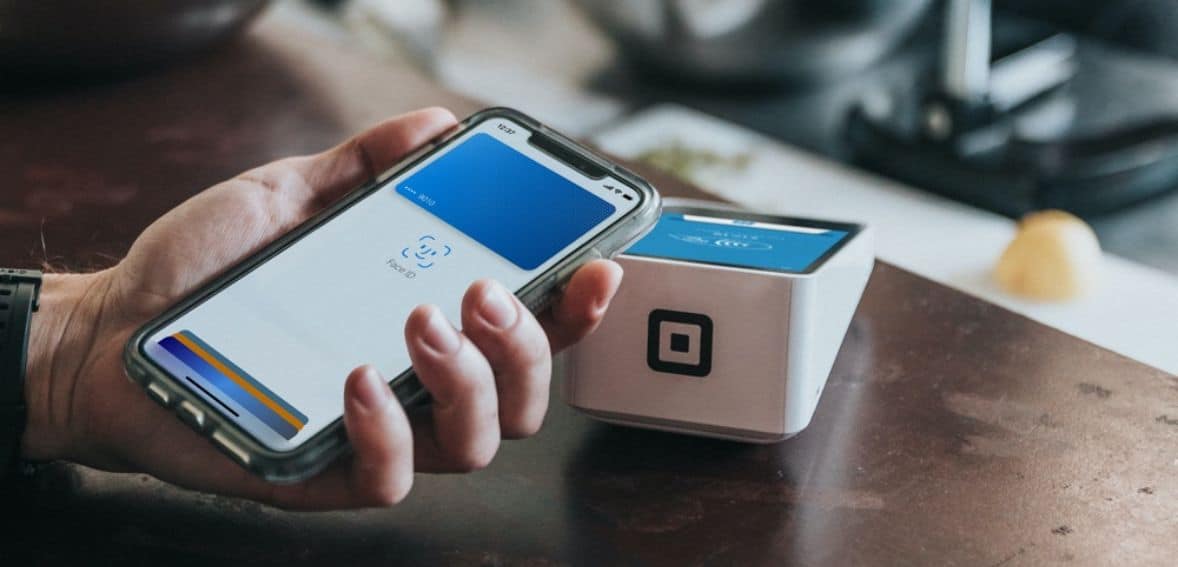
One of the primary advantages of Apple Pay For Business is the immediate improvement in the customer experience. Customers appreciate the ability to pay with a simple glance or touch using Face ID or Touch ID. This frictionless process removes the barriers to purchase, which can often lead to higher conversion rates in both physical and digital storefronts.
Furthermore, Apple Pay For Business helps in building brand loyalty. When a customer sees that a merchant supports their preferred payment method, it creates a sense of trust and technological relevance. Modern consumers, particularly Gen Z and Millennials, are more likely to return to a business that offers a tech-forward and efficient checkout process.
Security is another pillar of the Apple Pay For Business value proposition. Because the system uses biometric authentication and tokenization, the risk of fraudulent transactions is significantly lower compared to traditional magnetic stripe cards. For merchants, this means fewer chargebacks and a more secure financial environment.
Setting Up Your Infrastructure For Apple Pay For Business
To begin accepting mobile payments, you must ensure that your physical or digital infrastructure is compatible. For brick-and-mortar stores, this usually involves having a point-of-sale (POS) terminal that supports contactless payments. Most modern terminals provided by major banks and payment processors already come with this capability pre-installed.
If you are an e-commerce merchant, integrating Apple Pay For Business into your website or mobile app is equally important. This allows for a “one-touch” checkout experience that eliminates the need for customers to manually enter their shipping and billing information. This reduction in form-filling significantly lowers cart abandonment rates.
Working with your payment processor is the first step in the setup process. Most major processors, such as Square, Stripe, and Clover, offer seamless integration for Apple Pay For Business. You should consult with your provider to ensure that your specific terminal model is enabled for NFC and that your merchant account is configured to handle mobile wallet transactions.
Selecting The Right Hardware For Your Physical Location
When choosing hardware to support Apple Pay For Business, you should look for terminals that are user-friendly and clearly labeled. Many terminals have a universal contactless symbol that tells customers they can tap to pay. Positioning the terminal in an accessible location is key to encouraging use.
For smaller merchants or those on the go, “Tap to Pay on iPhone” is a revolutionary feature. This allows businesses to accept Apple Pay For Business directly on a compatible iPhone without needing any additional hardware. This is particularly useful for contractors, food truck owners, and market vendors who require a portable and professional payment solution.
Ensuring that your staff is trained on how to use the hardware is also vital. While the process is intuitive for the customer, the merchant must know how to initiate the transaction on their end and how to troubleshoot basic connectivity issues. A smooth setup process ensures that Apple Pay For Business becomes a seamless part of your daily operations.
Integrating Apple Pay For Business Into Your E-commerce Platform
For online retailers, the integration process is slightly more technical but highly rewarding. Most popular e-commerce platforms like Shopify, WooCommerce, and Magento have built-in plugins or settings to enable Apple Pay For Business. Enabling this feature usually only requires a few clicks within your payment settings.
By offering Apple Pay For Business on your website, you provide a secure alternative to entering credit card details into a browser. This is especially important for mobile shoppers who may find it cumbersome to type on a small screen. The increase in mobile shopping makes this integration a top priority for any digital merchant.
Testing the integration is a crucial step. You should perform several test transactions to ensure that the payment flow is working correctly and that the shipping information is being captured accurately. Once live, you will likely notice that Apple Pay For Business becomes one of the most popular payment choices among your customers.

Understanding The Costs And Transaction Fees
A common concern for merchants is the cost associated with new technology. Fortunately, Apple does not charge merchants any additional fees for using Apple Pay For Business. The transaction fees you pay are the same as those you would pay for a standard “card-present” or “card-not-present” transaction with a physical card.
Because the transactions are processed through the existing credit and debit card networks, your relationship with your merchant acquirer remains the same. The cost of Apple Pay For Business is essentially baked into your existing merchant service agreement. This makes it an incredibly cost-effective way to upgrade your payment capabilities without increasing your overhead.
However, it is important to understand the different fee structures based on how the payment is made. Below is a detailed table comparing common transaction types and how they generally relate to the implementation of mobile wallets.
| Transaction Type | Security Level | Processing Fee Type | Merchant Benefit |
| Physical Swipe (Magstripe) | Low | Standard Swipe Fee | Low cost, high risk of fraud |
| EMV Chip Insert | High | Standard Chip Fee | Secure, but slower transaction time |
| Apple Pay For Business (In-Store) | Very High | Card-Present Fee | Fast, secure, biometric auth |
| Apple Pay For Business (In-App/Web) | Very High | Card-Not-Present Fee | Highest conversion, very secure |
| Manual Entry | Very Low | Higher Keyed-In Fee | High risk, most expensive |
Managing Payment Processor Relationships
Since Apple Pay For Business relies on your existing processor, you should regularly review your statements to ensure you are receiving the best rates. Some processors may offer incentives for businesses that have high volumes of contactless transactions, as these are generally seen as lower risk.
Communicating with your processor about your use of Apple Pay For Business can also help in resolving any technical hurdles. They can provide specific firmware updates for your terminals that might improve the speed or reliability of NFC connections. Maintaining a strong relationship with your financial partners is key to the long-term success of your payment strategy.
It is also worth noting that as Apple Pay For Business grows in popularity, more specialized processors are entering the market. These companies often focus specifically on mobile-first businesses and may offer specialized reporting tools that give you deeper insights into how your customers are using mobile wallets.
Security Protocols And Data Privacy
The security of Apple Pay For Business is perhaps its most compelling feature for both merchants and consumers. In an era of frequent data breaches, the ability to process payments without ever seeing or storing the customer’s actual card number is a significant advantage. This system is designed from the ground up to protect privacy.
When a customer uses Apple Pay For Business, the merchant receives a Device Account Number and a transaction-specific dynamic security code. This code changes with every transaction, making it useless for any potential hackers who might try to intercept the data. This level of protection is far superior to traditional card payments.
Additionally, Apple does not keep a history of what a customer buys. They do not track merchant-specific transaction data that can be tied back to an individual user. This commitment to privacy is a major selling point for consumers and helps merchants build a reputation for respecting customer data when using Apple Pay For Business.
The Role Of Biometric Authentication
One of the reasons why Apple Pay For Business is so secure is the requirement for biometric authentication. Whether it is Face ID, Touch ID, or a secure passcode, the user must actively authorize every single transaction. This prevents unauthorized use if a device is lost or stolen.
For the merchant, this means that the “person” making the payment has been verified by the hardware itself. This significantly reduces the likelihood of “friendly fraud” or disputes where a customer claims they did not authorize a purchase. By accepting Apple Pay For Business, you are essentially leveraging Apple’s advanced security hardware to protect your business.
In the event of a lost device, customers can use the “Find My” app to suspend Apple Pay For Business remotely. This is much faster than calling a bank to cancel a physical card. The speed and efficiency of these security measures provide a safety net that traditional payment methods simply cannot match.
Compliance And Regulatory Standards
Using Apple Pay For Business helps merchants stay compliant with various industry standards, such as PCI DSS (Payment Card Industry Data Security Standard). Since the merchant never touches the actual credit card data, the scope of their PCI compliance is often reduced. This can save time and money during annual security audits.
Furthermore, Apple Pay For Business is designed to work within the existing global standards for contactless payments. This means that whether your business is in New York, London, or Tokyo, the system functions seamlessly and complies with local financial regulations. This global compatibility is essential for businesses that cater to international travelers.
By adopting Apple Pay For Business, you are signaling to regulatory bodies and your customers that you take data security seriously. It is a proactive step in protecting your business from the evolving threats of the digital world.
Marketing Your Acceptance Of Apple Pay For Business
Once you have the technology in place, the next step is letting your customers know. Many consumers actively look for the Apple Pay logo before they even reach the checkout counter. Marketing your acceptance of Apple Pay For Business is a simple but effective way to drive foot traffic and increase sales.
Apple provides official “mark kits” that include stickers and signage for your storefront and point-of-sale area. Placing these logos prominently on your front door and at the register tells customers that their preferred payment method is welcome. This visibility is a key component of a successful Apple Pay For Business strategy.
Digital marketing is also important. You should mention that you accept Apple Pay For Business on your website, in your social media profiles, and within your email newsletters. This is especially effective if you are running a promotion or launching a new product, as it reminds customers how easy it will be to complete their purchase.
Leveraging Social Media And Digital Presence
Social media platforms are a great place to showcase the convenience of your checkout process. You can create short videos or posts showing how quick it is to pay using Apple Pay For Business. This kind of content is highly relatable and can set you apart from competitors who may still rely on slower, traditional methods.
Updating your Google Business Profile and Apple Maps listing to show that you accept Apple Pay For Business is another crucial step. When users search for “coffee shops that accept Apple Pay” or similar queries, having this information updated ensures that your business appears in the search results.
Incentivizing the use of Apple Pay For Business can also be an effective tactic. For example, you could offer a small discount or a loyalty point bonus for customers who choose to pay with their mobile wallet. This not only encourages adoption but also helps you gather data on which of your customers are the most tech-savvy.
Incorporating Loyalty Programs And Rewards
Apple Wallet is not just for payments; it is also a powerful tool for loyalty programs. You can integrate your business’s rewards card directly into the Apple Wallet, allowing customers to earn points and pay in a single tap using Apple Pay For Business. This level of integration creates a powerful incentive for customers to keep coming back.
When a loyalty card is added to the Apple Wallet, it can even send notifications to the customer’s phone when they are near your store. This “geofencing” capability can remind them of their available rewards, prompting a spontaneous visit. Combining these features with Apple Pay For Business creates a holistic ecosystem that rewards both the merchant and the consumer.
Managing these loyalty programs is typically done through a third-party provider that specializes in mobile wallet passes. These providers work in tandem with Apple Pay For Business to ensure that the customer’s experience is smooth and integrated across all touchpoints.
Enhancing The Customer Experience In-Store
The physical layout of your checkout area plays a role in how effectively you can utilize Apple Pay For Business. The goal is to make the process as hands-free and quick as possible. This means ensuring that the payment terminal is at a comfortable height and that there are no physical barriers preventing a customer from tapping their phone or watch.
In busy environments, like quick-service restaurants or high-volume retail stores, the speed of Apple Pay For Business can significantly reduce wait times. This leads to higher customer satisfaction, as nobody likes standing in long lines. Merchants who prioritize this efficiency often see an increase in “grab-and-go” sales.
Training your staff to be proactive is also beneficial. If a staff member sees a customer reaching for their phone, they can mention, “We accept Apple Pay For Business,” which often elicits a positive response. This small interaction reinforces the merchant’s commitment to modern convenience.
Troubleshooting Common Issues For Merchants
While Apple Pay For Business is incredibly reliable, occasional issues can arise. Most problems are related to terminal connectivity or outdated software. Ensuring that your POS system is regularly updated is the best way to prevent these hiccups.
If a transaction fails, the first step is to check if the terminal’s NFC reader is active. Sometimes, the device might need to be held closer to the reader or at a different angle. Staff should be trained to handle these situations gracefully, ensuring the customer doesn’t feel frustrated.
Another common issue is when a customer’s card is declined within the mobile wallet. In these cases, it is usually an issue with the customer’s bank rather than Apple Pay For Business itself. Having a backup payment method available is always a good practice, but the vast majority of mobile wallet transactions go through without a hitch.
The Role Of Tap To Pay On iPhone
As mentioned earlier, Tap to Pay on iPhone is a game-changer for mobile and small-scale merchants. It removes the need for bulky hardware and allows you to process Apple Pay For Business transactions anywhere you have a cellular or Wi-Fi connection. This flexibility is perfect for modern, agile businesses.
To use this feature, you typically need a supporting app from your payment processor. Once set up, you simply enter the amount on your iPhone and hold it out to the customer. They tap their device to yours, and the Apple Pay For Business transaction is completed securely. This simplicity is driving a new wave of entrepreneurship.
For larger retailers, Tap to Pay on iPhone can be used to “bust lines” during busy seasons. Employees can walk through the store and check out customers on the spot, rather than making them wait at a central register. This innovative use of Apple Pay For Business can dramatically improve the shopping experience during the holidays or special events.
Future Trends In Mobile Commerce And Business Integration
The future of Apple Pay For Business is bright, with continuous updates and new features being added regularly. One area of growth is the integration of more complex financial services, such as installment payments (Buy Now, Pay Later) directly within the Apple Pay interface. This gives customers more flexibility while still providing the merchant with an immediate payment.
We are also seeing an increase in the use of Apple Pay For Business for public transit and government services. As people become accustomed to using their phones for these essential tasks, their expectation that every merchant will also accept mobile payments will only grow. Staying ahead of this curve is vital for long-term viability.
Artificial intelligence and data analytics are also starting to play a larger role. Merchants can use the data from Apple Pay For Business transactions (in an aggregated and anonymous way) to better understand peak shopping times and consumer trends. This information is invaluable for inventory management and staffing.
The Impact Of Apple Pay On Global Commerce
As Apple Pay For Business continues to expand into new markets, it is helping to standardize the payment experience across borders. For a merchant, this means that an international tourist can walk into their shop and pay with the same ease as a local resident. This global interoperability is a massive boon for the tourism and hospitality industries.
In countries where cash has historically been king, the introduction of Apple Pay For Business is accelerating the shift toward a cashless society. This shift reduces the costs and risks associated with handling physical money, such as theft, counting errors, and bank deposit fees.
The overall impact of Apple Pay For Business is a more connected, efficient, and secure global marketplace. Merchants who embrace this technology are not just upgrading their payment systems; they are participating in a global movement toward a more streamlined economy.
Preparing For The Next Generation Of Shoppers
The next generation of consumers is growing up in a world where physical cards are becoming obsolete. To these shoppers, Apple Pay For Business is the standard, not the alternative. By establishing your business as a mobile-friendly destination now, you are securing your relevance for years to come.
Adapting to these changes requires a mindset of continuous improvement. You should always be looking for ways to further integrate Apple Pay For Business into your operations, whether through better marketing, improved hardware, or more advanced digital integrations.
The success of your business depends on your ability to meet your customers where they are. In the modern world, they are on their iPhones and Apple Watches. Providing them with the ability to use Apple Pay For Business is the best way to ensure that your business remains their first choice.
Conclusion: Why Apple Pay For Business Is The Best Choice
In conclusion, implementing Apple Pay For Business is a strategic move that offers a multitude of benefits for any merchant. From the enhanced security of tokenization and biometrics to the undeniable convenience of a one-touch checkout, this technology is designed to help your business thrive in a digital-first economy.
The costs are minimal, the setup is straightforward, and the positive impact on the customer experience is immediate. By following the steps outlined in this guide, you can ensure that your transition to Apple Pay For Business is smooth and successful. You will not only see a reduction in friction at the point of sale but also build a stronger, more trusting relationship with your customers.
As the world continues to move away from physical currency and plastic cards, Apple Pay For Business stands out as the premier solution for modern merchants. It is more than just a payment method; it is a commitment to quality, security, and innovation. Embrace Apple Pay For Business today and position your company for a prosperous and tech-forward future.
Frequently Asked Questions
Does Apple Pay For Business cost more than traditional credit card processing?
No, there are no additional fees from Apple for accepting these payments. You will continue to pay your standard transaction fees to your payment processor. Using Apple Pay For Business is treated as a standard card-present or card-not-present transaction depending on how it is conducted.
Is Apple Pay For Business secure enough for high-value transactions?
Yes, it is extremely secure. Because it uses tokenization and biometric authentication (Face ID or Touch ID), it is much harder for fraudsters to use stolen information. Many merchants find that Apple Pay For Business reduces their overall fraud and chargeback rates significantly.
Can I use Apple Pay For Business on my website as well as in my physical store?
Absolutely. You can integrate Apple Pay For Business into your e-commerce platform to allow for a fast, one-touch checkout on the web or in your mobile app. This helps reduce cart abandonment and makes the mobile shopping experience much smoother for your customers.
What hardware do I need to start accepting Apple Pay For Business?
You need an NFC-enabled (contactless) payment terminal. Most modern POS systems come with this capability. If you don’t want to buy extra hardware, you can also use “Tap to Pay on iPhone” if you have a compatible device and a supported payment app.
How do I let my customers know that I accept Apple Pay For Business?
You should use official Apple Pay signage at your storefront and near your registers. Additionally, you should update your website, social media, and digital business listings (like Google and Apple Maps) to show that you accept Apple Pay For Business.